
The mask has always accompanied humanity; it is a universal symbol, an object that spans cultures, eras, and languages, capable of transformation while maintaining the profound meaning of giving form to the invisible. It is an instrument of metamorphosis, protection, self-representation, and mystery. Wearing it means crossing a threshold, inhabiting another world, transferring symbolic and collective forces within oneself. From African masks to All Souls' Day rites, from Greek theater to the Venetian Carnival, the mask has always been a figure that unites human beings with divine power, between what we define as real and possible.
It is not limited to ritual practices, and we know we can wear it in other, less visible but equally powerful forms: in our social roles, digital profiles, and gestures with which we choose to appear or protect ourselves. Even hiding is, ultimately, a way to tell our story, to rebuild our image, to rediscover a fragmented identity. The mask is, on the one hand, what conceals and, on the other, the possibility of re-emerging in another form, of transforming vulnerability into a kind of language.
"MASK. The Hidden Face" is a meeting point for creative voices to interrogate the mask as an object, a symbol, and a contemporary condition. It's an invitation to explore what lies behind the image and, perhaps, to recognize, in drawing or wearing it, a design gesture, the possibility of redesigning oneself.
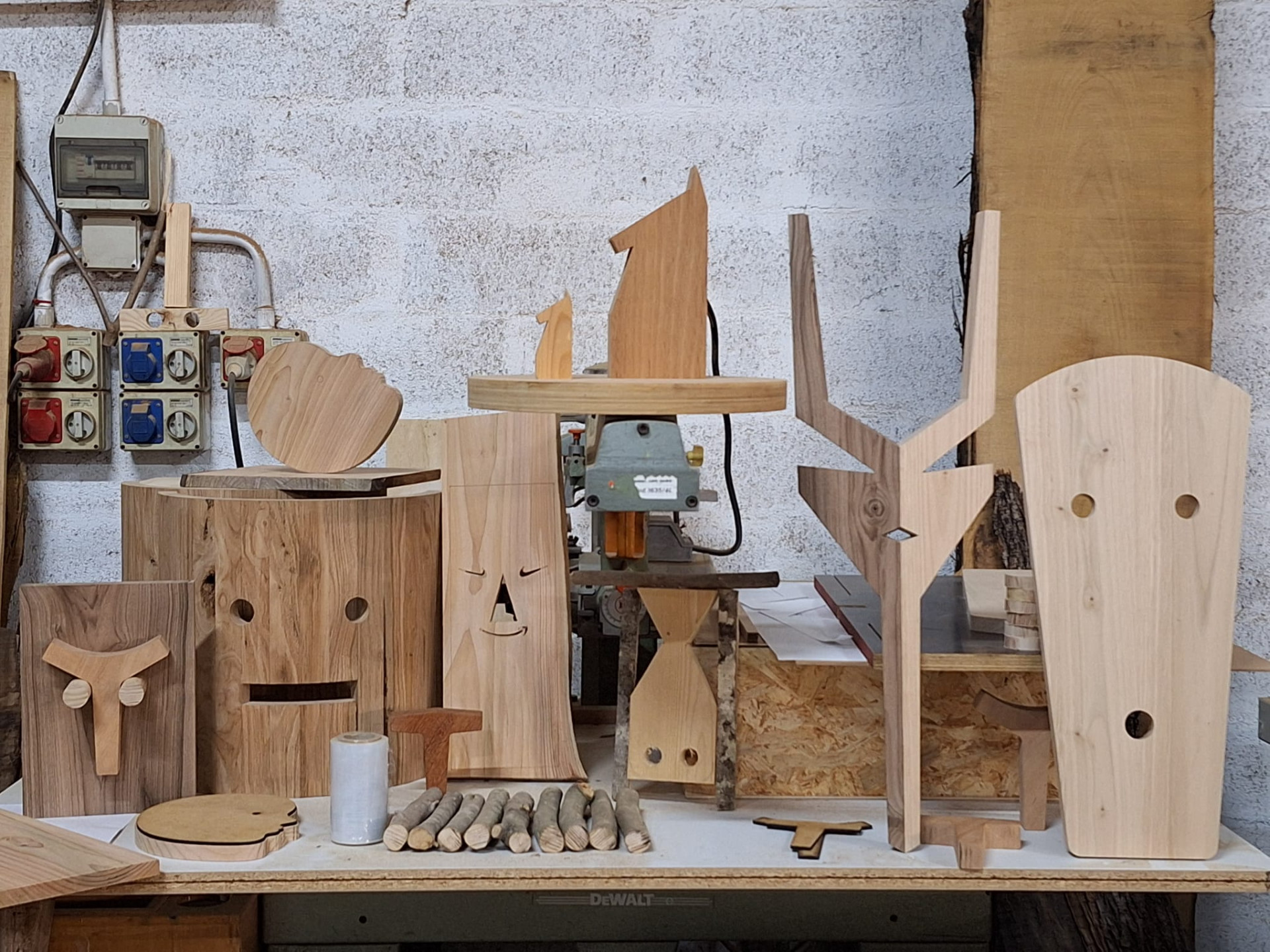
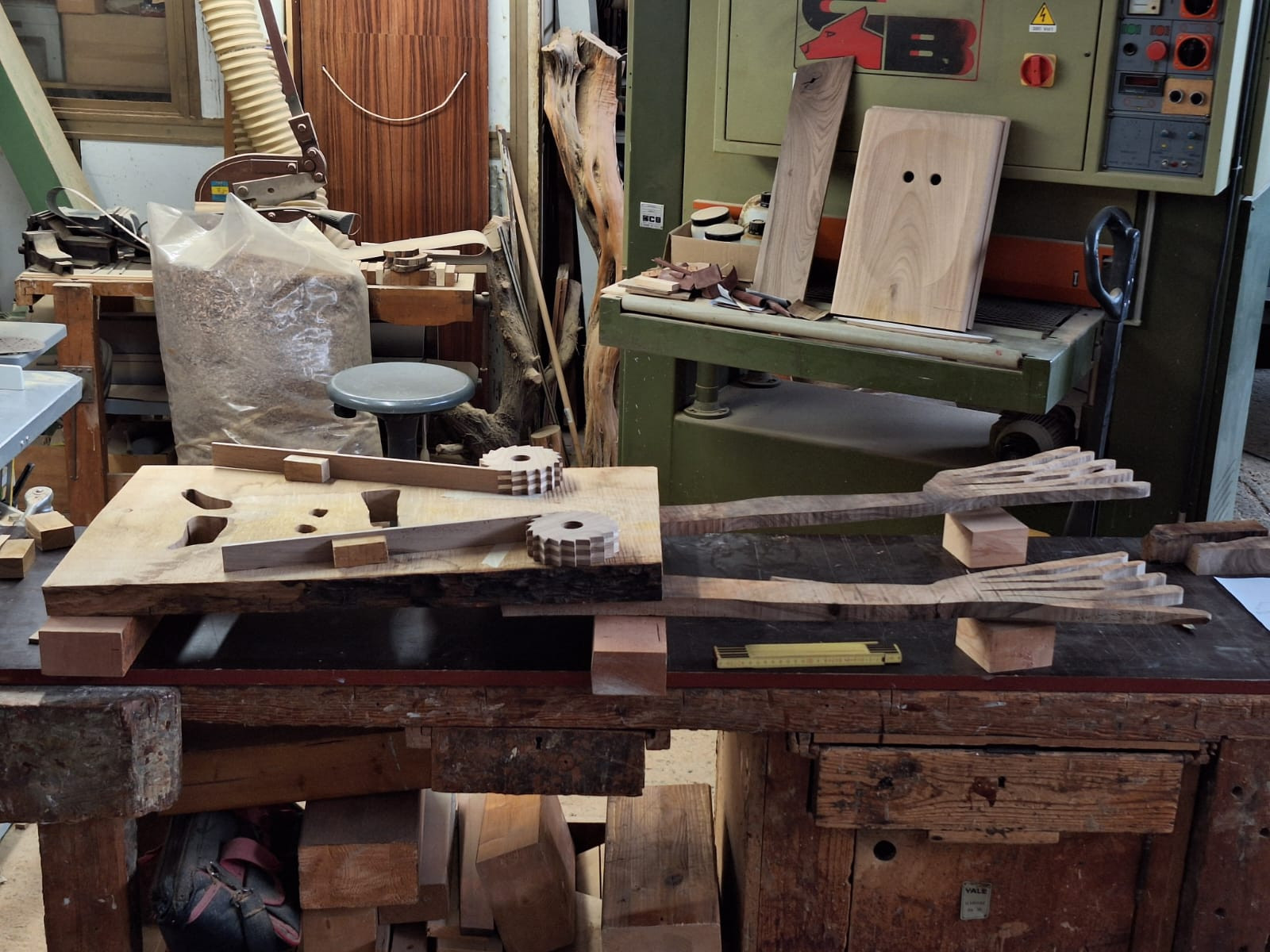
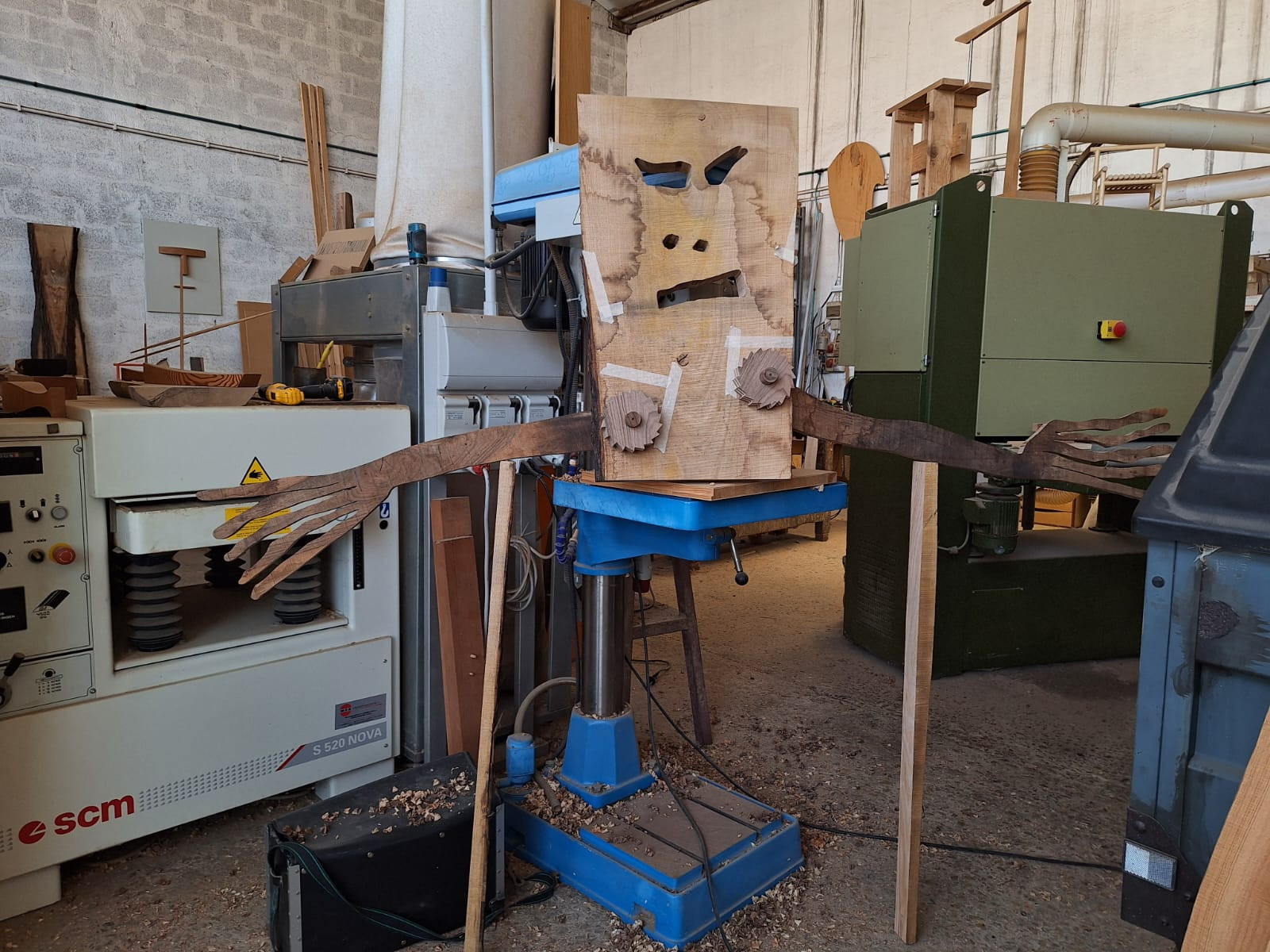
The masks are made by Diego Moretti, founder of Ebanisteria Meccanica, a Sassari-based company that embodies the finest craftsmanship in woodworking, except for Stefano Boeri's, which is made of papier-mâché by Jacopo Allegrucci.
On display are twelve masks designed by Stefano Boeri, Giulio Cappellini, Marco Ferreri, Alessandro Guerriero, Giulio Iacchetti, Francesco Mandelli, Antonio Marras, Diego Moretti, Margherita Palli, Lorenzo Palmeri, Ionna Vautrin, and Olimpia Zagnoli, made of wood by “Ebanisteria Meccanica.”